Residential Mold Removal in Exeter, PA
Mold removed from affected materials in your Exeter home, with contained cleaning and drying. Call 24/7 to arrange your assessment.
- Room-by-room assessment
- Contained work and HEPA filtration
- Moisture correction before rebuilding
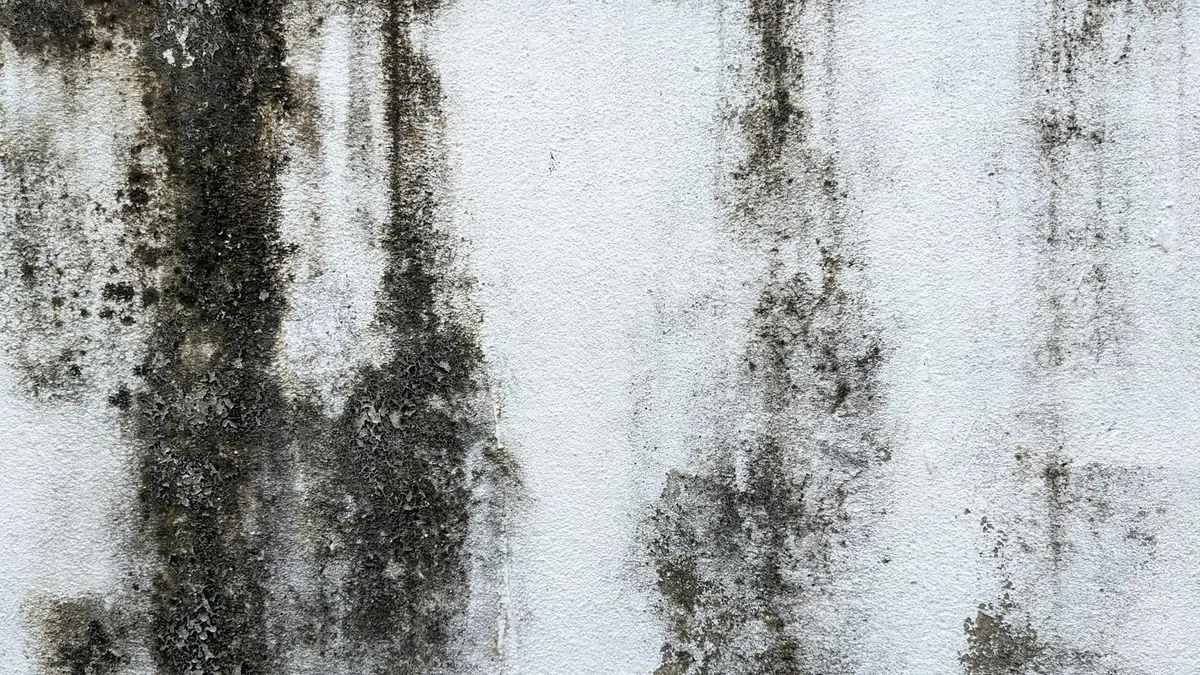
Residential Mold Removal Services in Exeter
Your kitchen, bedrooms and living areas can receive mold cleanup. Sound surfaces undergo cleaning and drying; damaged materials come out.
Your home cleanup begins by inspecting for mold, including adjoining areas when necessary. Leaks may affect subfloors, walls and cabinets.
Your written work scope sets out what to remove, clean and dry. Separate repairs are noted before the job begins, and family belongings get their own assessment. Finding mold does not always mean treating the entire house.
- Room-by-room moisture and material checks
- Debris disposal and contained drywall removal
- Cleaning hard surfaces and structurally sound framing
- Assessment of affected household contents
- Drying and post-remediation verification

Residential Mold Removal: Signs to Look For
Recurring growth, soft finishes and dampness need assessment beyond surface cleaning.
Musty Rooms and Closets
You may notice persistent smells with mold behind walls or moisture in belongings.
Spots Return on Residential Walls
Along baseboards, behind furniture or in bedroom corners, visible mold growth reappears.
Growth in Several Rooms
Patches across adjacent rooms call for evaluating ventilation and common moisture pathways.
Stained Residential Ceilings
You notice spreading ceiling stains with peeling paint or softened drywall following rain or use of plumbing.
Swollen Cabinets or Soft Flooring
Swelling in cabinet backing, flooring softness or trim dampness follows a leaking sink or appliance.
Steps in Residential Mold Removal Throughout Greater Scranton
Your removal starts with assessment. Contained cleanup comes next, then drying and completion checks.
Residential Assessment
Material dampness is checked using a moisture meter. A thermal imaging camera may reveal differences in temperature, never establish mold identity.
Moisture Source and Room Scope
Cavities and leaks undergo assessment. Your written scope of work specifies moisture corrections, establishes removal boundaries and identifies separate repairs.
Residential Work-Area Containment
A containment barrier keeps work apart from rooms in use. A HEPA air scrubber, protective equipment and negative air pressure all support control of particles.
Damaged Material Removal
Bagging occurs within containment for unsalvageable carpet pad, drywall and insulation. The cleanup crew uses a protected debris route.
Cleaning Sound Home Surfaces
A HEPA vacuum and suitable cleaning methods remove growth and residue. When suitable, antimicrobial treatment complements physical removal.
Controlled Residential Drying
Drying equipment, including a dehumidifier and air movers, supports controlled drying. Progress is tracked through moisture readings while water problems receive correction.
Final Cleaning and Verification
Drying is checked alongside final cleaning. An independent assessor conducts any specified clearance testing while containment remains in place.
Containment Removal and Repair Handoff
Complete the agreed mold remediation steps plus checks before taking barriers down. Your room access depends on remaining repairs.
Why Consider Scranton Mold Cleanup for Your Residential Mold Removal
Residential Cleanup Calls Answered 24/7
For your single-family home, assessment begins by phone, with calls also available nights and weekends.
Clear Room-by-Room Scope
Work begins after affected belongings, rooms and separate repair needs have been defined.
Contained Work Around Living Areas
The work area and rooms in use determine the containment and HEPA filtration setup.
Residential Moisture First
Before removal, your assessment looks for leaks and moisture to address recurring growth.
Removal Through Final Checks
Damaged materials are removed, sound surfaces are cleaned and dried, and checks precede containment removal.
Preparing for Residential Cleanup in Luzerne County
Call to arrange an assessment. Do not disturb affected rooms.
- Only stop leaks when safe to do so. Stay away from standing water near outlets, appliances or wiring.
- Keep people and pets away. Leave rooms with affected materials unused as cleanup arrangements are made.
- Leave finishes in place. Do not tear out drywall, pull up carpet or dry brush growth.
- Avoid spreading particles. Avoid directing fan airflow onto mold or operating HVAC equipment you suspect is contaminated.
- Respond to fresh water damage. To prevent mold growth, EPA recommends that water-damaged items and areas be dried within 24 to 48 hours.
Residential Mold Removal Cost for Your Exeter Home
Use national mold cleanup ranges as a planning guide. Your cost varies with the affected rooms, damage and access.
Typical National Mold Remediation Range
$1,500 to $9,000 per jobSource: Fixr, Mold Remediation Cost (checked 2026-10-23)Typical Mold Remediation Range
$1,200 to $3,750 per jobSource: This Old House, Mold Remediation Cost (cost data credited to Angi) (checked 2026-10-23)Areas Above About 10 Square Feet: Professional Rate
Each square foot costs $10 to $30Source: Fixr, Mold Remediation Cost (checked 2026-10-23)Factors Affecting Your Home Cleanup Cost in Exeter
- Replacement finishes and affected belongings
- Separate testing, drying and moisture repairs
- Material removal and disposal
- Containment and HEPA filtration
- Getting behind cabinets and walls and underneath flooring
- Affected room count and cost per square foot
The Price of Your Home Cleanup
These published national ranges are planning figures. Your on-site assessment defines the work and price before cleanup starts, including any separate source repairs or rebuilding.
Call (844) 352-3560 about costResidential Mold Removal Service Area Across Greater Scranton
Call (844) 352-3560 to arrange cleanup in Exeter or nearby communities. One number covers the metro.
Residential Mold Removal in Locations Near Exeter
ZIP codes
Common Questions About Residential Mold Removal in Exeter
Will you be able to stay in the house while cleanup takes place?
You may be able to stay if occupied rooms remain separate from the work zone. That choice depends on bathroom access, shared ventilation and sensitivities among household members. Containment in an occupied home requires an access plan beforehand. Certain cleanup jobs mean staying somewhere else during the work.
If one room is affected, does your whole house need cleanup?
Treatment need not extend across your entire home when a single room is affected. Your home inspection traces moisture routes, adjacent cavities and concerns about ventilation when checking for mold. Mold removal for homes can stay limited to the affected area, with additional rooms included as needed.
Is home mold testing needed before or after removal?
Air sampling is often unnecessary for visible mold, according to EPA guidance. Moisture checks and inspection determine the affected area. Cleaning and drying are checked after removal, before containment comes down. An independent assessor conducts clearance testing whenever testing is specified. Indoor mold levels have no federally established limit.
Which materials need removal during house mold removal?
Damage to drywall, carpet pad or insulation can make removal necessary. Sound framing and hard surfaces can often be cleaned and dried. Your assessment defines where removal stops in each room. Belongings receive their own assessments, with new finishes installed after drying and agreed completion checks.
How is mold removal cost for homes in Luzerne County determined?
Your price depends on an assessment of hidden damage and rooms affected. Insurance coverage influences how much of the cleanup cost you pay. Separate repairs and debris disposal can affect the total, as can drying and containment. Your scope identifies cleanup work and excludes specified rebuilding before work starts.
How long should you allow for home cleanup in Exeter?
After your assessment, you better understand what to expect for cleanup duration. Work goes beyond surface cleaning when floors need removal and walls must open. Moisture readings from materials govern drying. Each room's final checks, leak repairs and new finishes shape how long it takes before reopening.
Can mold come back once your home has been cleaned?
Mold in the house may reappear when moisture persists. Before removal, your assessment locates leaks and moisture in cavities. Affected materials are removed or cleaned and dried. Finishing moisture repairs and maintaining humidity control help keep the same conditions from returning to your rooms.
Are other moisture issues and plumbing problems corrected as well?
The moisture source is found during assessment, which sets out corrective work alongside cleanup. Your scope must list plumbing, roof and ventilation repairs for those repairs to be included. Before work begins, separate repairs are identified to keep new materials from exposure to water problems still unresolved.
Pennsylvania Homeowners Insurance and Residential Cleanup
The cause of moisture and your homeowners insurance terms determine what is covered, including exclusions, deductible and limits. Repair coverage can differ from cleanup coverage.
Residential Mold Cleanup Safety Across Greater Scranton
Containing the work area helps limit mold spore spread while your home is being cleaned.
Contaminated Water
Sewage or contaminated water requires professional assistance and changes the precautions for cleanup.
Mold Color
You cannot judge a mold's risk by color, according to CDC.
Household Sensitivities
CDC notes that mold can bring on allergy symptoms and asthma symptoms in some people. Risk is higher for people with asthma, lung disease or weakened immune systems.
Shared Ventilation
EPA warns that your home could receive spreading mold from HVAC equipment run with suspected contamination.
Cleanup scope: According to EPA, homeowners can often clean areas smaller than about 10 square feet. Professional assistance is called for with HVAC involvement and larger areas.
Luzerne County Home Materials: What Gets Cleaned or Removed
Sound surfaces are cleaned where possible; damaged porous materials may need removal.
Hard surfaces
- Non-porous surfaces are cleaned, including tile, metal and glass; assessing backing is a separate step.
Walls, floors and framing
- Wood in sound condition may be cleaned. Moldy drywall, ceiling tiles, carpet and insulation may need removal.
Household contents
- Cleaning or disposal options are evaluated for your upholstered furniture and other family belongings.
Your Residential Cleanup Schedule in Luzerne County
Your schedule follows access, removal, drying and repairs needed for room use.
- Access and removal: Your mold removal process involves extra work when walls are opened.
- Drying: Replacement finishes depend on readiness established through moisture readings.
- Room use: Final checks, together with repair after remediation, influence room reopening.
Exeter Residential Humidity and Odor
Checks for moisture and affected materials help investigate mustiness in your home. Fragrance leaves hidden moisture unresolved.
EPA recommends indoor relative humidity below 60 percent, ideally 30 to 50 percent. Moisture control includes leak repairs and managing condensation.
Pennsylvania Rules for Residential Cleanup
Residential Work Requirements
Pennsylvania has no state mold regulations, and no statewide license for mold assessors or remediators was found. Ask any contractor about their mold training and check local contractor rules.
Repair Permits
Your building, plumbing or electrical work dictates the applicable permit requirements.
Drying Before Repairs
Before painting or caulking, EPA guidelines say to fix moisture problems and dry affected materials.
State Mold Information
The Pennsylvania Department of Health's Division of Environmental Health Epidemiology answers questions about mold and health at [email protected] or 717-787-3350. The Department of Environmental Protection says it has no authority over indoor air quality in homes or apartments.
State guidance: Pennsylvania Department of Health, What You Should Know About Mold: The Basics; Pennsylvania DEP, Submit an Environmental Complaint
Related Services and Next Steps
Start Your Residential Mold Removal in Exeter
Call 24/7 to arrange your assessment. Your cleanup starts with the affected surfaces, moisture source and access to your home.